
Behind every successful construction project is a team of professionals working toward a common goal. From the initial concept to the final handover, collaboration plays a vital role in ensuring projects are completed efficiently, safely, and to the highest standards of quality.
Construction is a dynamic industry where multiple disciplines must work together throughout every stage of a project. Architects, engineers, project managers, contractors, and skilled trades each contribute unique expertise. When these professionals collaborate effectively, projects are better equipped to meet deadlines, stay within budget, and achieve outstanding results.
Every construction project relies on the contribution of different specialists:
Success depends on how effectively these professionals communicate and coordinate their efforts. Strong teamwork helps ensure that every phase of the project progresses smoothly and according to plan.
Well-coordinated teams can respond more effectively to project demands and changing conditions. When communication is clear and responsibilities are understood, workflows become more efficient and productivity improves.
The benefits of strong collaboration include:
By working together from the outset, teams can identify potential challenges early and develop solutions before they impact the project.
Construction quality is achieved through attention to detail, technical expertise, and consistent execution. Teamwork helps ensure that every aspect of a project meets the intended design, performance, and quality standards.
Close collaboration allows teams to:
The result is a building that not only looks exceptional but also performs reliably for years to come.
Safety is a shared responsibility across every construction project. A collaborative work environment encourages greater awareness, accountability, and adherence to safety procedures.
Effective teamwork contributes to:
When teams work together with safety as a priority, construction sites become more organized, productive, and secure.
Construction projects often face unforeseen circumstances, from weather disruptions and material shortages to design adjustments and scheduling changes. Strong teamwork enables project teams to adapt quickly and maintain progress despite these challenges.
By combining knowledge, experience, and problem-solving skills, teams can find practical solutions that keep projects moving forward while minimizing disruptions.
Beyond completing a single project, teamwork helps establish strong professional relationships built on trust, reliability, and shared success. These relationships contribute to smoother project delivery, stronger partnerships, and a reputation for excellence within the industry.
At its core, construction is a collaborative process. When professionals work together effectively, they create buildings that reflect quality, innovation, and lasting value. Strong teamwork not only drives project success—it lays the foundation for future growth and continued excellence.
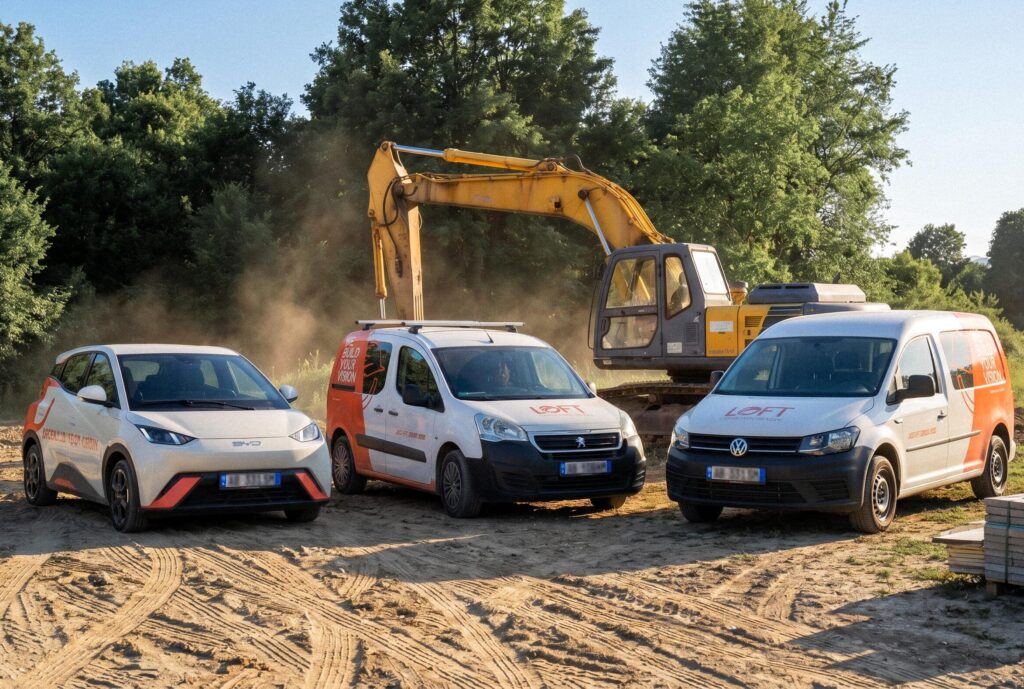
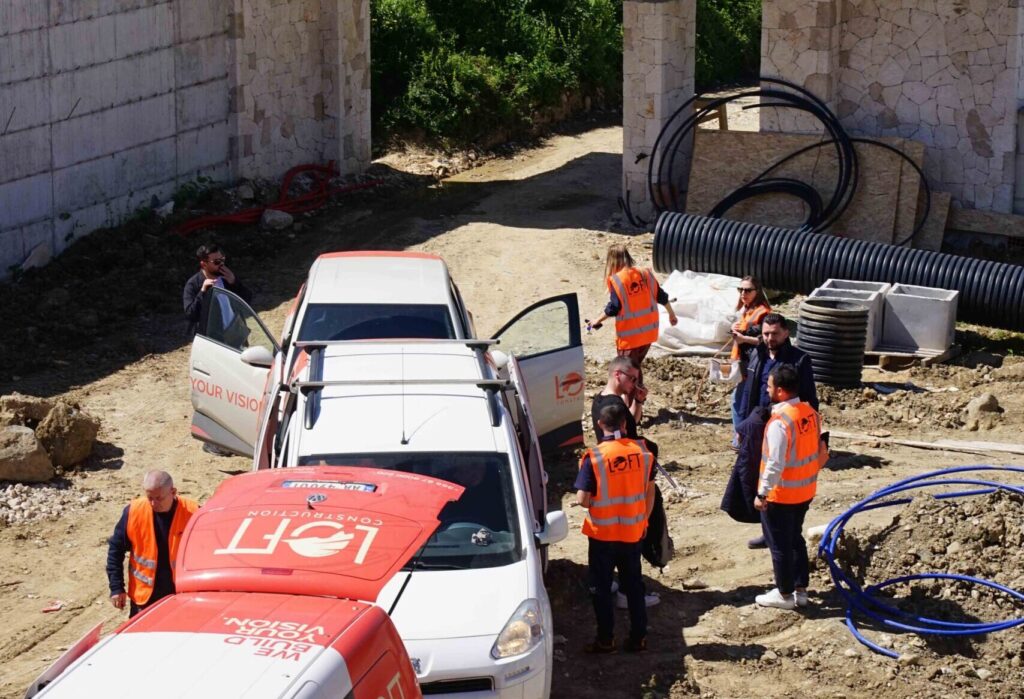
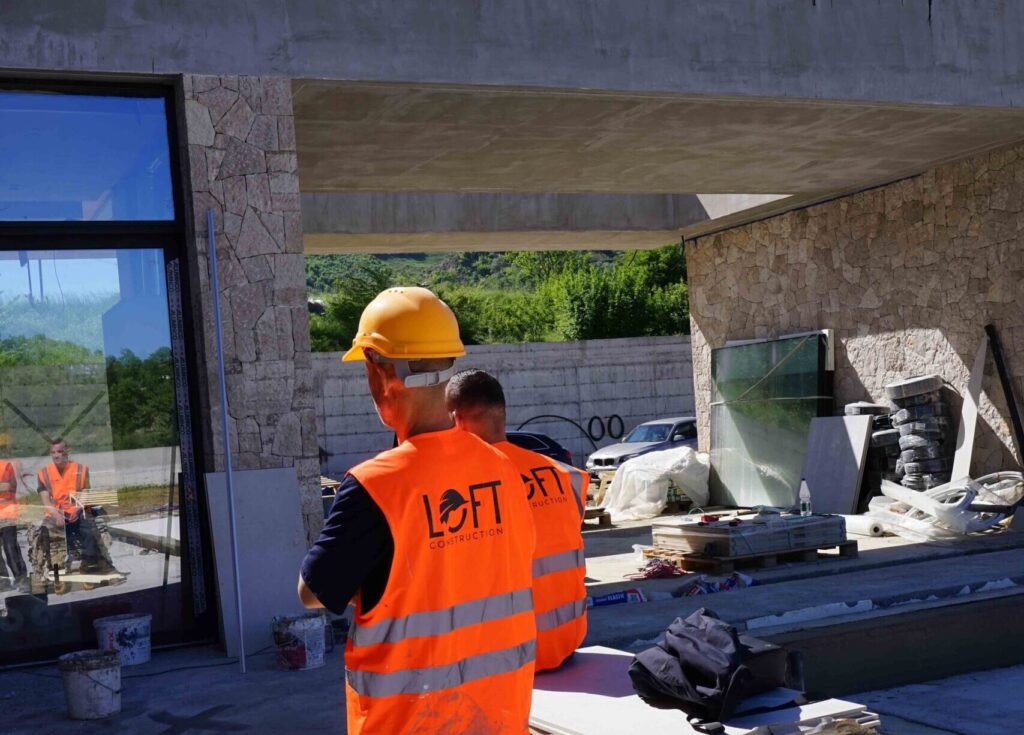
Teamwork is the foundation of every successful construction project. It connects design, engineering, and execution into a unified process, ensuring that ideas are transformed into reality with precision and efficiency.
In today’s construction environment, where projects are becoming increasingly complex, the ability to collaborate effectively is just as important as technical expertise. By fostering strong teamwork, construction companies can deliver better results, improve efficiency, and create buildings that truly reflect their vision.