

Sustainability in construction is no longer a trend—it has become a fundamental principle shaping how buildings are designed, constructed, and experienced. As environmental concerns intensify and regulations become stricter, architects and developers are redefining material choices to create spaces that are not only efficient, but also responsible and future-proof. Today, sustainable building materials are at the core of this transformation, influencing everything from structural systems to interior finishes.
The construction industry has long been one of the largest contributors to global carbon emissions, with buildings responsible for nearly 40% of total emissions worldwide . This reality has forced a shift in mindset, from extracting and consuming resources to designing with awareness of a material’s full lifecycle.
Modern architecture now prioritizes:
This shift reflects a broader transition toward circular design, where buildings are conceived not as static objects, but as adaptable systems that can evolve, be disassembled, and reused over time
One of the most important developments in sustainable construction is the emergence of bio-based materials, materials derived from renewable natural sources.
Innovations such as:
are redefining how buildings interact with the environment. These materials not only reduce carbon emissions but can actively store CO₂, contributing positively to ecological balance .
Beyond performance, bio-based materials introduce a new architectural language, one that is warmer, more tactile, and deeply connected to nature.
Sustainability is not only about new materials, it also involves rethinking existing ones.
Concrete, for example, is being transformed through:
These innovations aim to reduce the environmental footprint of one of the most widely used construction materials, which traditionally contributes significantly to global emissions .
Similarly, recycled steel and engineered timber (CLT) are gaining popularity for their durability, efficiency, and reduced energy consumption during production. These materials allow architects to maintain structural performance while significantly lowering environmental impact.
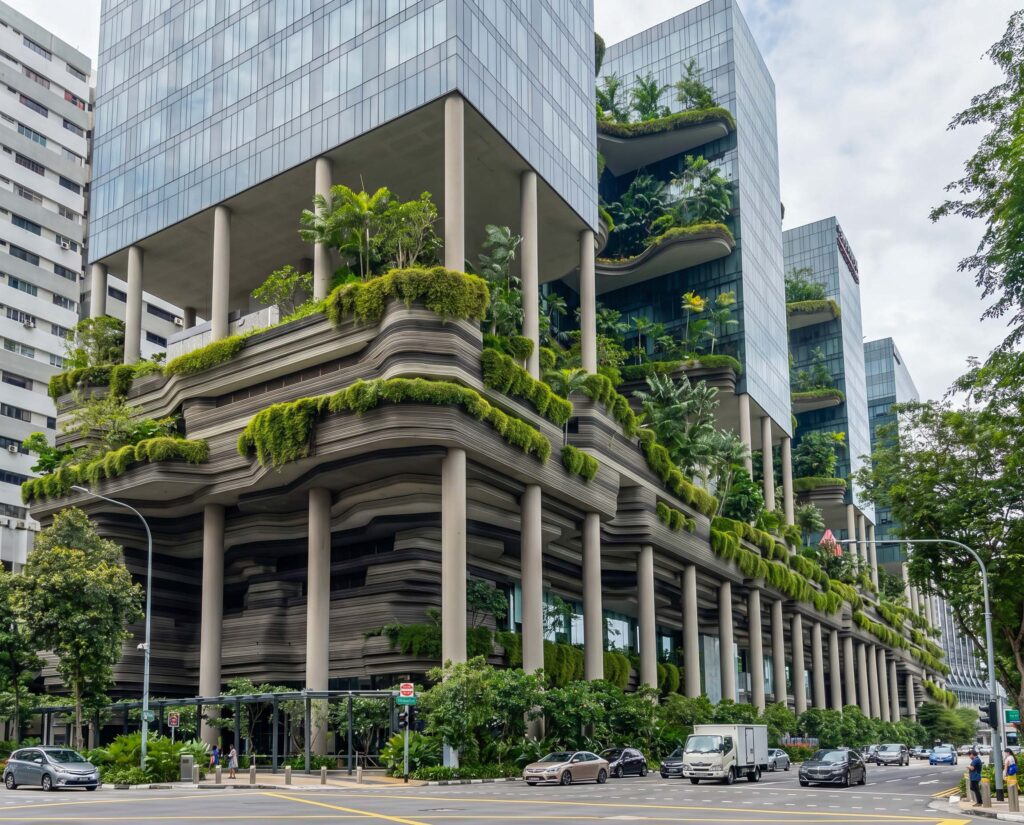
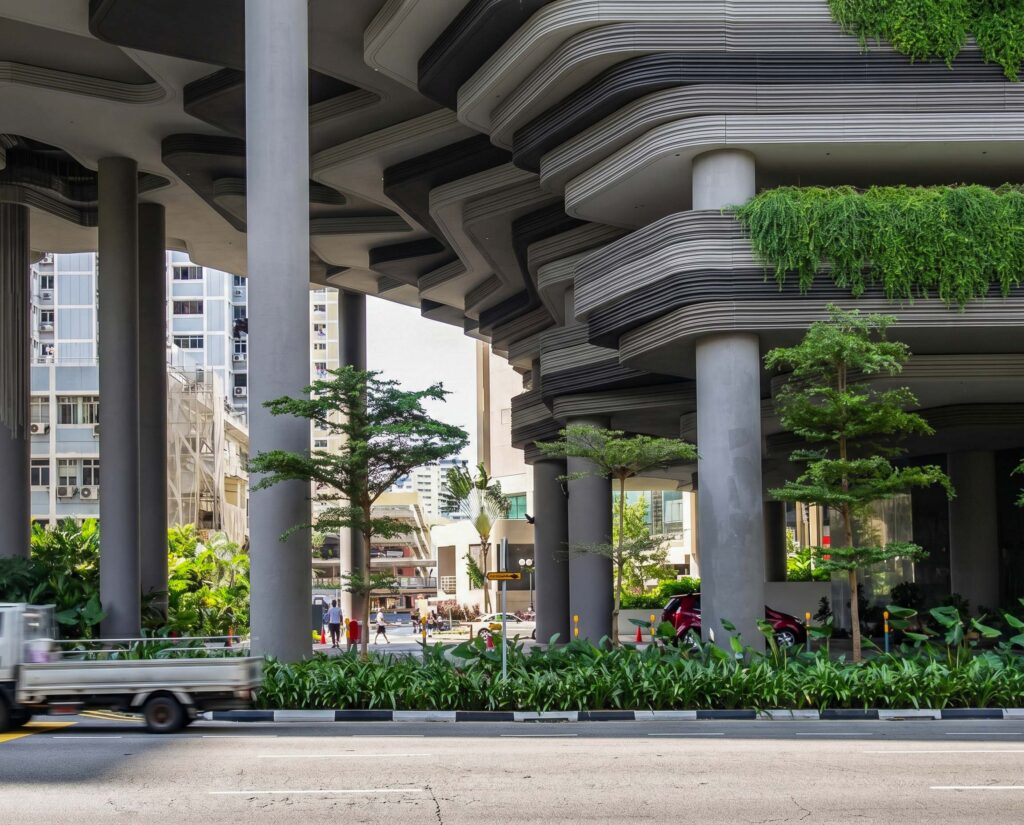
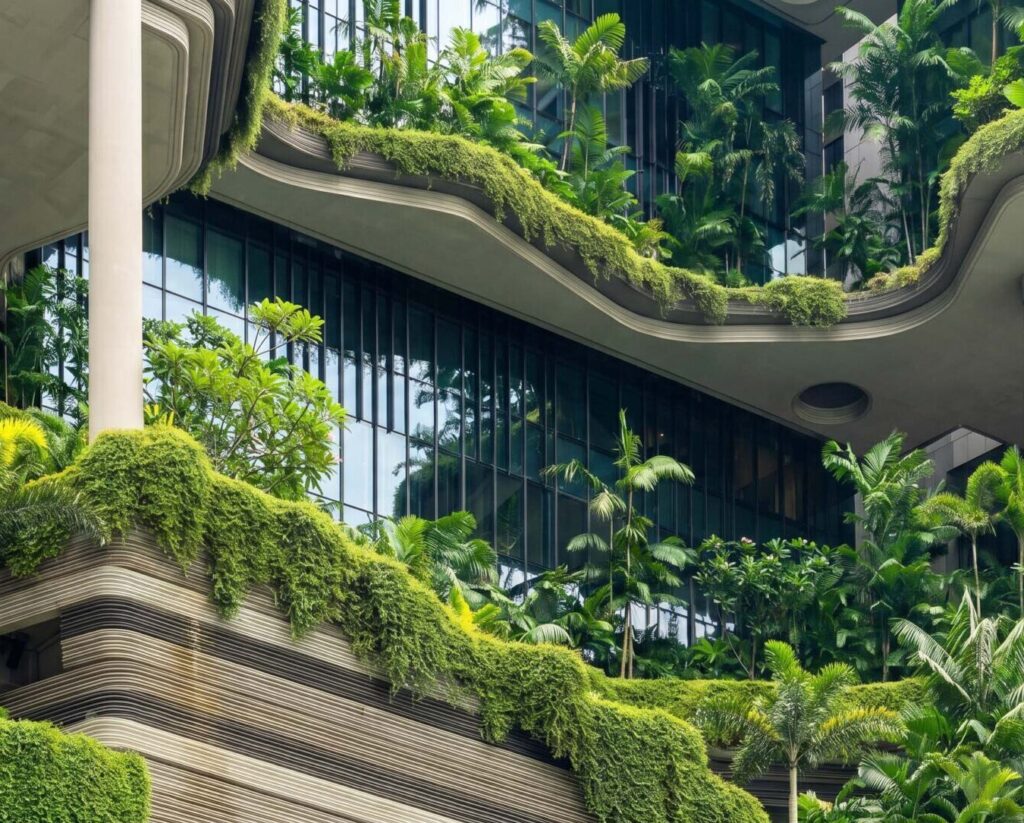
Sustainable materials are not only functional, they are also reshaping aesthetics. Architects are increasingly using these materials to explore new forms of expression:
Material innovation is enabling buildings to become more dynamic, responsive, and expressive, moving beyond static design toward systems that actively engage with their surroundings .
Another key advantage of sustainable materials is their impact on indoor environmental quality. Non-toxic, breathable, and natural materials contribute to healthier living and working spaces.
Benefits include:
This human-centered approach is becoming increasingly important, as architecture shifts toward enhancing not just environmental performance, but also well-being and everyday experience.
Looking ahead, the future of sustainable construction lies in regenerative and intelligent materials, materials that go beyond minimizing harm and actively contribute to environmental restoration.
Emerging innovations include:
These technologies signal a new era where buildings are not passive structures, but active participants in ecological systems.
The shift towards sustainable materials is no longer optional—it’s essential. As innovation continues, architects and builders worldwide are embracing these materials to create eco-friendly, energy-efficient, and aesthetically stunning spaces.