
Concrete has long been the backbone of modern construction. From high-rise buildings to infrastructure projects, its strength and versatility have made it one of the most widely used materials in the world. However, as the industry moves toward more sustainable and efficient practices, concrete is undergoing a significant transformation. Today, new technologies and innovations are redefining this traditional material—making it stronger, lighter, and more environmentally responsible.
Concrete has long been the backbone of modern construction, valued for its strength, versatility, and reliability. However, as the industry moves toward more sustainable building practices, traditional concrete is being reimagined to meet new environmental and performance demands.
Rather than replacing concrete, today’s innovations are enhancing its capabilities making it stronger, lighter, smarter, and more sustainable. These advancements are helping architects, engineers, and builders create structures that are not only durable but also more efficient and environmentally responsible.
One of the most significant developments in recent years is the introduction of High-Performance Concrete (HPC) and Ultra-High-Performance Concrete (UHPC).
These advanced materials offer exceptional structural performance through:
Increased compressive strength
Superior durability and weather resistance
Extended service life with reduced maintenance requirements
Their enhanced strength allows for thinner structural elements and longer spans, providing architects with greater design freedom while reducing overall material consumption.
As a result, projects can achieve both improved performance and greater efficiency without compromising structural integrity.
Innovation has also led to the development of lightweight concrete systems designed to reduce the overall weight of buildings and structures.
These solutions are created using specialized aggregates and advanced production techniques that lower density while maintaining strength.
Key advantages include:
Reduced structural loads
Faster and more efficient installation
Improved thermal performance
Greater design flexibility
Lightweight concrete is particularly beneficial for residential developments, high-rise buildings, and renovation projects where reducing dead load can significantly improve efficiency.
As sustainability becomes a priority across the construction sector, manufacturers are introducing new concrete technologies that help reduce environmental impact.
Modern solutions include:
Alternative cementitious materials that lower cement consumption
Low-carbon concrete mixes with reduced emissions
Recycled content incorporated into production
Carbon-absorbing technologies that capture CO₂ over time
These innovations contribute to more sustainable construction practices while maintaining the durability and performance expected from concrete structures.
Emerging technologies are transforming concrete from a passive building material into an intelligent construction solution.
Self-healing concrete utilizes advanced materials and biological processes that automatically seal minor cracks before they develop into larger structural concerns.
At the same time, smart concrete systems can incorporate sensors capable of monitoring:
Structural performance
Load distribution
Moisture levels
Temperature fluctuations
This real-time data allows building owners and engineers to identify potential issues early, improving maintenance planning and extending the lifespan of structures.
Concrete continues to evolve alongside the needs of modern architecture and construction. Through advances in strength, sustainability, weight reduction, and smart technology, this essential material remains at the forefront of innovation.
As the industry seeks more efficient and environmentally responsible building solutions, next-generation concrete is helping shape a future where structures are stronger, more durable, and better equipped to meet the demands of tomorrow.
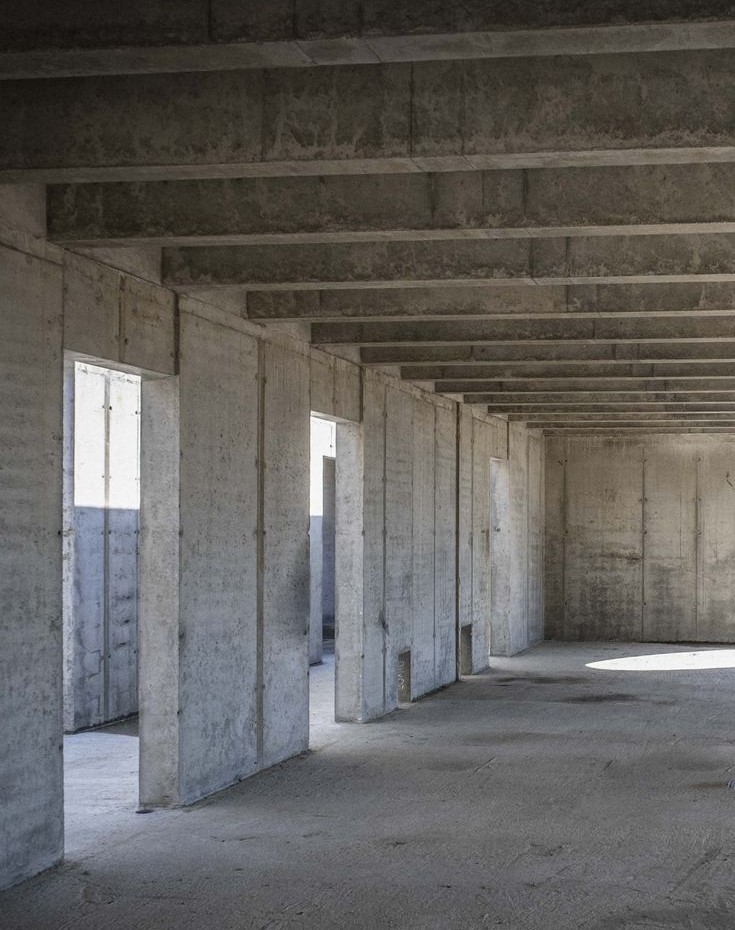
Concrete is no longer just a structural material—it has become an important element of architectural expression.
Modern techniques allow for:
This versatility enables architects to create designs that are both functional and visually compelling, combining performance with aesthetic quality.
Concrete is evolving to meet the demands of a new era in construction. Through innovation, it is becoming stronger, lighter, and significantly more sustainable—while continuing to play a central role in the built environment.
For the construction industry, these advancements represent an opportunity to build smarter, reduce environmental impact, and push the boundaries of design. The future of concrete is not about replacing it, but about reimagining its potential.