
The workplace is no longer defined by rows of desks and enclosed offices. As technology advances and employee expectations continue to evolve, modern workplaces are becoming more flexible, connected, and people-centered. Today, office design plays a critical role in shaping company culture, supporting productivity, and enhancing employee well-being. Businesses that invest in thoughtfully designed work environments are better positioned to attract talent, foster innovation, and adapt to the changing demands of the future.
Modern offices are designed to support a variety of work styles and activities. Rather than relying on a single layout, organizations are embracing flexible spaces that accommodate collaboration, focused work, informal meetings, and social interaction. Adaptable environments allow teams to work more efficiently while providing employees with greater choice and comfort throughout the day. This flexibility has become especially important as hybrid work models continue to reshape the way businesses operate.
Employee wellness has become a central consideration in workplace design. Access to natural light, improved indoor air quality, ergonomic furnishings, acoustic comfort, and thoughtfully designed breakout areas all contribute to healthier and more productive environments. The integration of natural materials, greenery, and biophilic design principles further strengthens the connection between people and their surroundings, helping reduce stress and improve overall workplace satisfaction.
Technology is transforming the modern office into a more efficient and responsive environment. From intelligent lighting and climate control systems to integrated meeting technologies and workplace management platforms, smart offices are designed to enhance both performance and user experience. Seamless digital connectivity supports collaboration between in-office and remote teams, ensuring that workplaces remain functional, adaptable, and prepared for future technological advancements.
Innovation thrives in environments that encourage interaction and knowledge sharing. Contemporary office layouts increasingly feature collaborative zones, informal lounges, meeting pods, and multifunctional spaces that promote communication and teamwork. These carefully designed areas help create a dynamic workplace culture where ideas can develop naturally and employees feel more connected to their colleagues and the organization.
Sustainable workplace design is no longer an option, it is becoming an essential part of responsible business development. Companies are investing in energy-efficient systems, environmentally conscious materials, and sustainable construction practices that reduce environmental impact while improving long-term operational performance. Green office environments not only support corporate sustainability goals but also contribute to healthier and more attractive workplaces for employees and visitors alike.
An office should be more than a functional workspace, it should communicate the values, culture, and vision of the organization. Through carefully selected materials, colors, spatial planning, and design details, workplaces can become powerful expressions of a company’s identity. A well-designed office strengthens brand perception, enhances employee engagement, and leaves a lasting impression on clients, partners, and visitors.
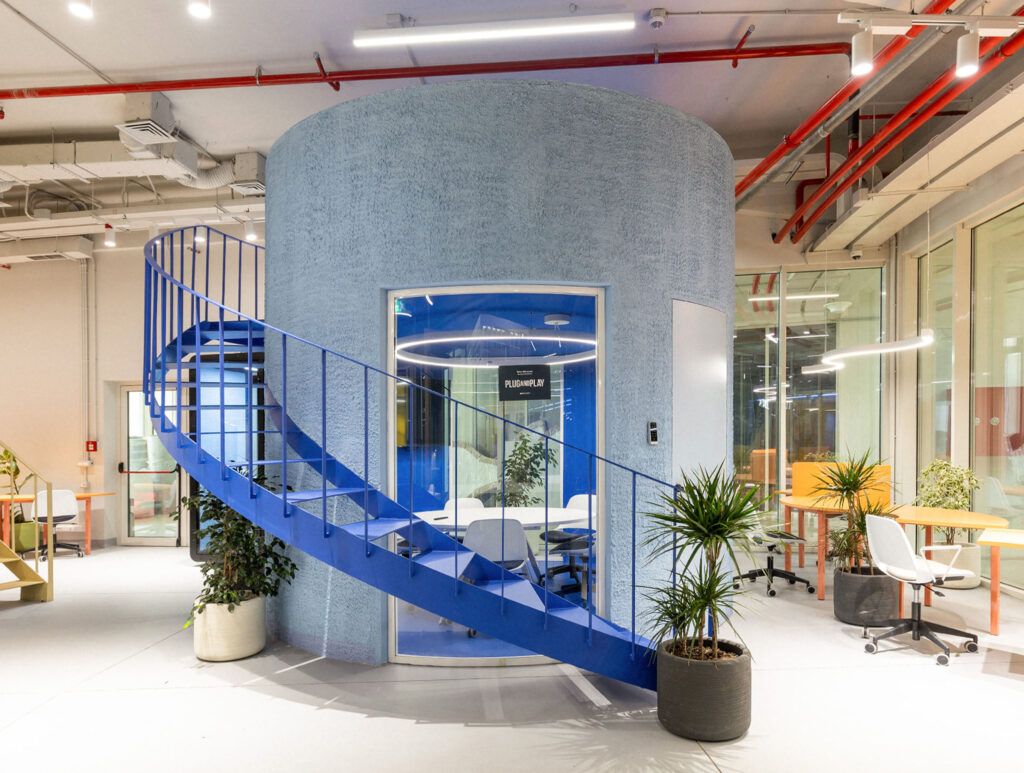
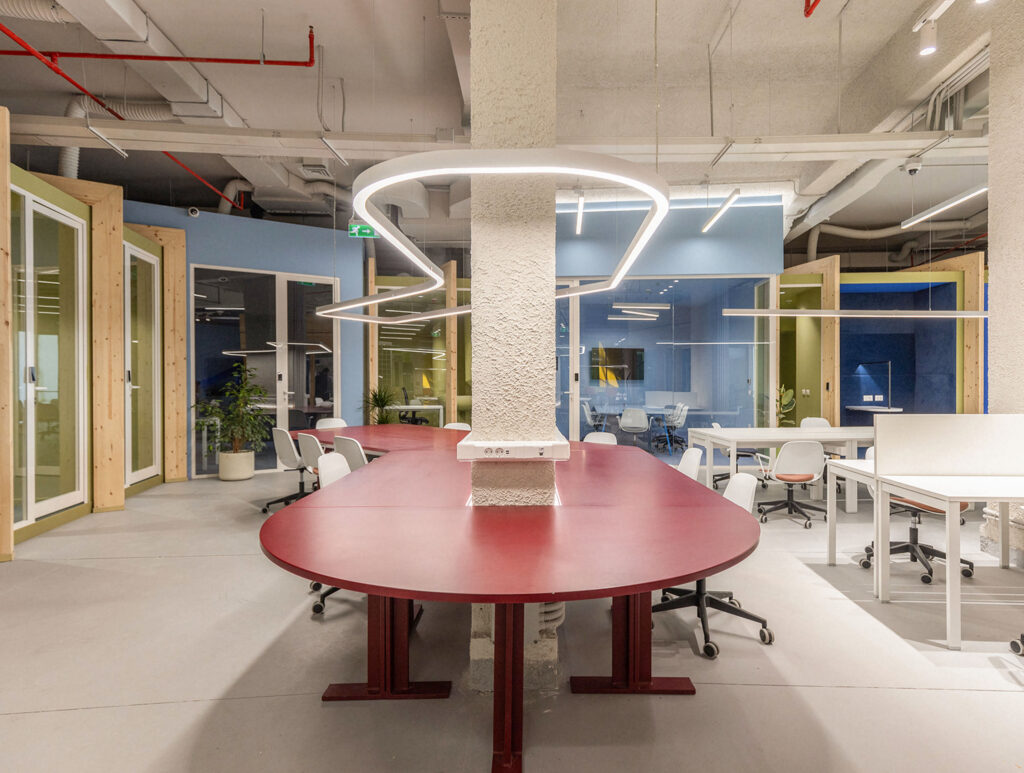
As businesses continue to navigate changing workforce expectations and technological innovation, workplace design will remain a key driver of organizational success. Future offices will be increasingly flexible, sustainable, technology-driven, and focused on human experience. The most successful workplaces will be those that balance functionality with comfort, efficiency with creativity, and innovation with well-being.
At Loft Construction, we believe that great workplace design is an investment in people and performance. By combining thoughtful planning, innovative solutions, and high-quality execution, we create office environments that support productivity, inspire collaboration, and prepare businesses for the future.